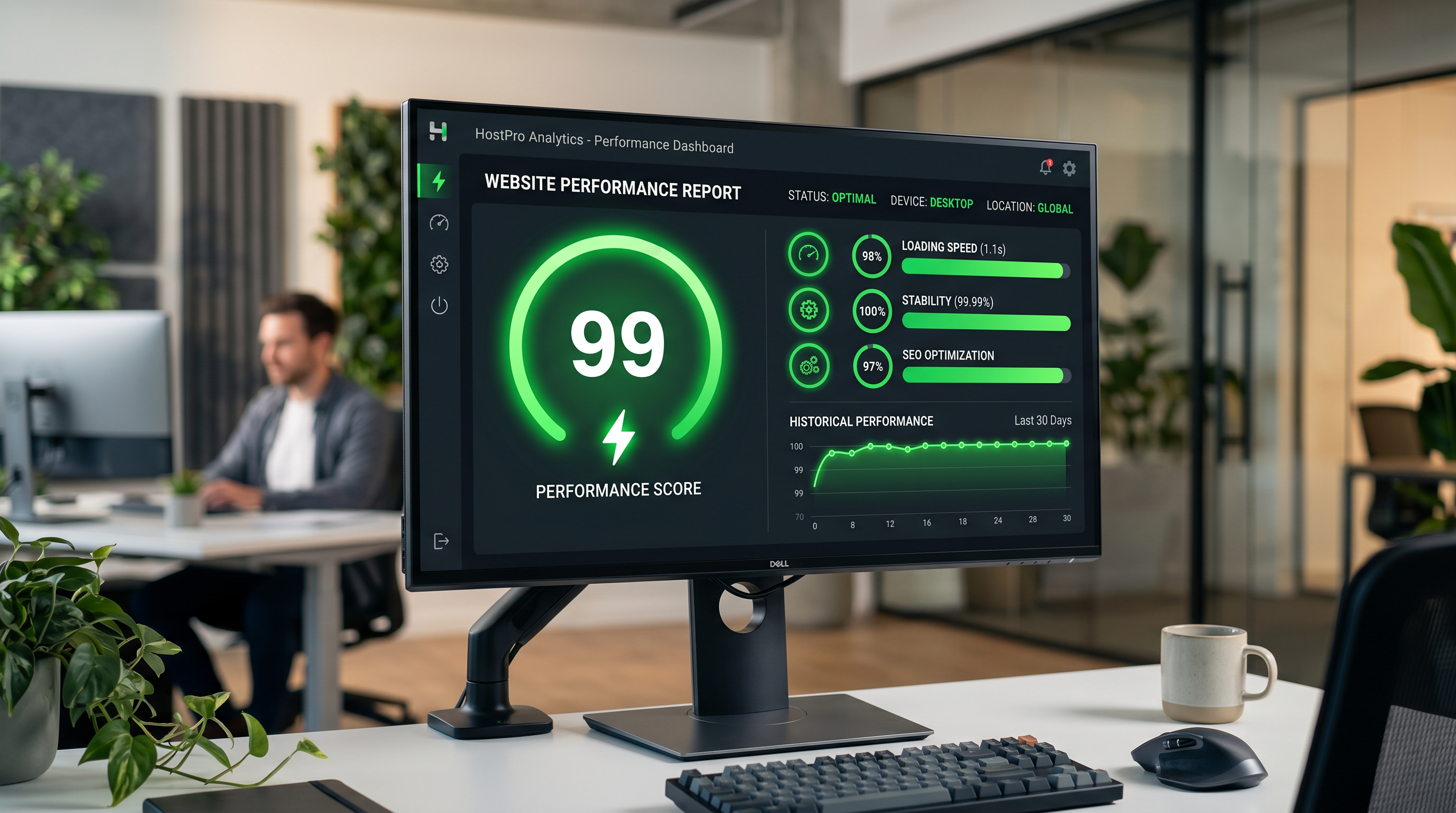
Website Speed Metrics Explained: Boost SEO with Page Load Times Under 3 Seconds & Core Web Vitals for Small Businesses
Imagine a loyal customer clicking your bakery's site, hungry for fresh order ideas. The menu page lags—spinning loader, endless wait. They bounce to a competitor's snappier site. Gone. In seconds.
This isn't fiction. Google data shows half of users abandon sites taking over 3 seconds to load. For small businesses, solopreneurs, and professionals like you—building trust on a budget—that lost traffic hits hard. It tanks SEO rankings, erodes credibility, and shrinks sales.
But here's the good news: Mastering website speed metrics changes everything. We'll break down page load time SEO, Core Web Vitals in plain English, and why website hosting quality is non-negotiable. No tech jargon—just clear steps to make your site lightning-fast, boosting website performance for small business owners everywhere.
Why Website Speed Crushes for Small Businesses
Your website isn't a brochure—it's your 24/7 salesperson. Slow speeds? Visitors flee. Fast ones? They stay, click, convert.
Consider the ripple: A 1-second delay slashes conversions by 7%, per industry benchmarks. For SEO, Google's algorithm favors speedy sites, pushing you higher in searches like "local plumber near me."
Small business owners feel this pinch most. Limited budgets mean no room for error. Yet a zippy site builds instant trust—like a polished storefront drawing crowds while a cluttered one repels them.
The Bounce Rate Killer
Ever tested your own site? Tools like Google PageSpeed Insights reveal harsh truths. Slow loaders see bounce rates soar past 50%. Fast sites? Under 30%. That's the difference between thriving and treading water.
Core Web Vitals in Plain English: Your Speed Scorecard
Google's Core Web Vitals sound intimidating, but they're simple checkpoints for user happiness. Three metrics rule: loading, interactivity, and stability. Hit green across devices? Your SEO soars.
Largest Contentful Paint (LCP): When Your Hero Image Loads
LCP measures how long until your main content—like a product photo or headline—pops on screen. Aim for under 2.5 seconds. Over that? Users think your site's broken.
Real-world fix: Compress images. A bloated hero shot can double your LCP.
Interaction to Next Paint (INP): Click Without the Freeze
Replaces old FID. INP tracks from click to visual response. Good? Under 200 milliseconds. It's like a barista serving your coffee instantly—no awkward pause.
JavaScript overloads kill this. Trim unnecessary scripts for smooth sails.
Cumulative Layout Shift (CLS): No Surprise Jumpscares
CLS hates ads or fonts shifting elements mid-load. Score under 0.1. Picture reading a menu, then buttons shoving text aside—frustrating, right?
Reserve space for images and reserve fonts. Stability wins loyalty.
- LCP < 2.5s: Content loads fast.
- INP < 200ms: Clicks respond zippy.
- CLS < 0.1: No layout drama.
Core Web Vitals in plain English: Google's thumbs-up for real-user experience. Track via Search Console—free and eye-opening.
Page Load Times Under 3 Seconds: The SEO Sweet Spot
Total page load time—from click to fully rendered—is your headline metric. Google whispers: Under 3 seconds ideal. Why? Mobile users on spotty Wi-Fi bail fast.
Tie this to page load time SEO: Speed's a direct ranking signal since 2010. Faster sites outrank slower twins in SERPs. For small businesses, that's free traffic gold.
Measure It Right
Skip guesses. Use:
- Google PageSpeed Insights: Scores and fixes.
- GTmetrix or WebPageTest: Deep dives.
- Chrome DevTools: Simulate slow networks.
Benchmark: Hero sites load in 1-2 seconds. Yours lagging? Time to tune.
Website Hosting Quality: Don't Skimp on the Engine
Website hosting quality is your site's engine. Cheap shared hosting? Like a crowded highway—everyone crawls. Premium VPS or cloud? Open road, top speed.
Small business truth: Inferior hosts overload servers, spiking load times. Look for SSD storage, global CDNs, and auto-scaling. Result? Consistent website performance for small business.
Pro tip: NVMe drives shave milliseconds. Edge caching serves files from nearby servers. Your customers notice—subtly, powerfully.
Actionable Ways to Boost Website Performance for Small Businesses
No developer needed. Start here:
- Optimize images: WebP format, lazy loading.
- Minify code: Strip whitespace from CSS/JS.
- Leverage caching: Browser and server-side.
- Upgrade hosting: Ditch shared plans.
- Mobile-first: Responsive design mandatory.
Tools like Cloudflare (free tier) add rocket fuel. Test post-changes—watch scores climb.
Fast sites don't just rank higher—they feel premium, fostering trust that turns visitors into advocates.
Ongoing Maintenance: Speed Isn't Set-It-and-Forget-It
Plugins update, traffic spikes, images pile up—speeds slip without vigilance. Monthly audits keep you golden.
For busy solopreneurs, this means outsourcing smartly. A dedicated care plan handles optimizations, hosting tweaks, and monitoring—freeing you to run your business.
Ignite Your Site's Potential Today
Armed with these website speed metrics, your small business site transforms—from sluggish storefront to speed demon. Under 3-second loads, green Core Web Vitals, top-tier hosting: SEO climbs, customers stick.
Don't let slow speeds steal your edge. Explore our care plan for hands-off performance tuning and premium hosting. Watch rankings rise, bounces plummet, revenue follow. Your breakthrough starts now.
